
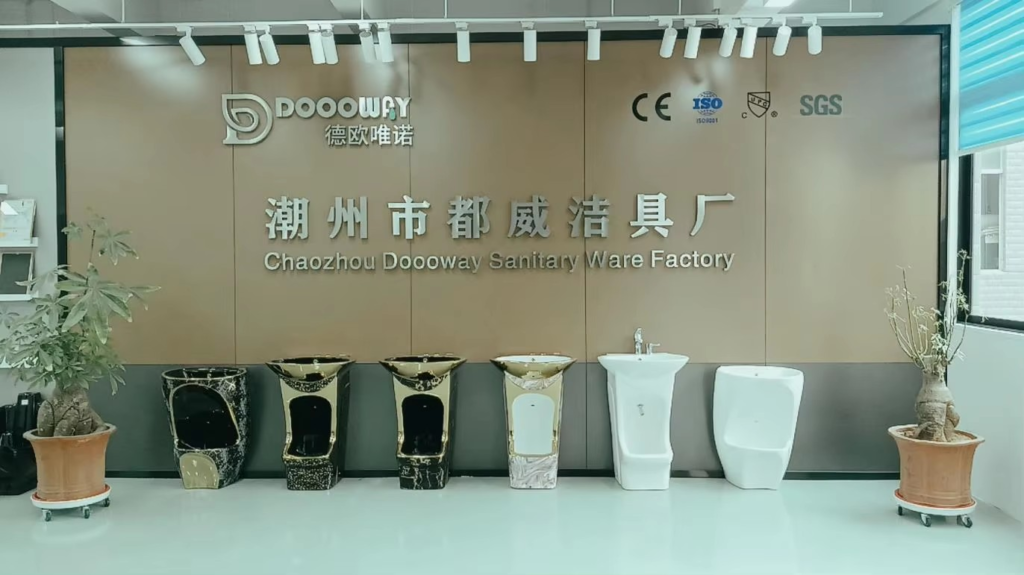
A buyer’s guide to sourcing wudu basins from doooway should begin with the same discipline used for any overseas supplier: define the application, request a controlled specification, compare the full landed cost, approve a physical sample, and verify quality and documents before ordering. doooway may be a useful candidate for your shortlist, but the supplier name alone does not confirm material, dimensions, drainage performance, capacity, certifications, prices, lead times, or warranty terms. Ask doooway to verify every relevant detail in writing and have local professionals confirm destination-market requirements.
The direct answer: source from doooway through a documented, comparison-based buying process
Start with the buying decision, not the catalog
Before contacting a supplier, decide what decision the purchase must support. A brand owner may want a distinctive range; a local dealer may need a dependable item for project quotations; an online seller may need a parcel-friendly package; a supermarket may prioritize clear labeling and replenishment. Write the intended customer, use setting, channel, launch date, forecast range, target price position, and service expectation. This lets a supplier distinguish a standard quotation from a development proposal.
Describe the user journey: where the person stands or sits, how water is delivered, how the surface is cleaned, where water should go, and who installs or maintains the unit. Avoid pretending that a rough sketch is a final engineering document. Label assumptions and request a supplier drawing with revision control. If the basin will enter a regulated project, ask an architect, plumber, or other qualified professional to review the application and local requirements.
Your pre-contact checklist
Customer and use case: household, commercial, religious, hospitality, education, or project supply.
Sales channel: dealer, retail shelf, marketplace, own website, or mixed channel.
Product definition: bowl arrangement, finish direction, drain and tap assumptions, accessories, and packaging needs.
Commercial target: initial order range, replenishment range, acceptable landed-cost scenario, and cash-flow limits.
Compliance context: destination countries, labels, instructions, import documents, and claims requiring evidence.
Launch evidence: sample, drawing, photographs, packaging mock-up, inspection record, and approved content.
1. Ask doooway for a complete, comparable quotation
Send one structured request so the response can be compared with other offers. Ask doooway to identify the exact product or proposed configuration, materials, finish, dimensions, components, packing method, minimum order quantity, sample process, tooling, production time, currency, Incoterm, payment milestones, quotation validity, and exclusions. Ask which details are confirmed and which are estimates. If the supplier cannot answer immediately, request a date and owner for each open point.
A quotation is not complete when it contains only a unit price. Ask whether the price includes inner protection, export cartons, labels, manuals, accessories, inspection access, and any special packing. Request carton dimensions and gross weight only after they are measured or confirmed for the actual configuration. Use a written revision number. If you alter a finish, component, or carton, request a refreshed quotation rather than relying on a message that could later be misunderstood.
| Item to compare | Question to ask doooway | Buyer action |
| Product scope | Which exact configuration and components are included? | Match the quote to a numbered brief and drawing. |
| Order economics | What are MOQ, sample, tooling, packing, payment, and quote-validity terms? | Model first order and repeat-order cash needs. |
| Delivery basis | Which Incoterm, port or destination assumption, and production window apply? | Obtain logistics and customs validation. |
| Quality evidence | What checks are planned and what records can be shared? | Define an inspection plan before production. |
| Service route | Who handles defects, missing parts, and documentation questions? | Name an owner and escalation route. |
Normalize the offer before ranking it. Convert all currencies consistently, separate one-time costs, and add freight, insurance, customs, local transport, storage, payment fees, inspection, damage allowance, returns, and channel charges. A price that appears attractive at the factory door may be weaker after the product reaches your warehouse. Ask a freight forwarder or customs broker to validate the assumptions for your destination.
2. Verify product information without making assumptions
Request a technical drawing and product data sheet for the proposed configuration. Check overall dimensions, mounting or placement requirements, drain route, tap interface, material description, surface treatment, component list, package dimensions, and care guidance. The purpose is to identify what must fit together and what the customer must know. Do not copy dimensions from a photograph, and do not treat a similar model as the same model.
If doooway provides claims about performance, hygiene, safety, durability, water use, or compliance, ask what evidence supports the claim, which product and revision it covers, who issued it, and whether it applies in your destination market. Verify certificates, declarations, and test reports with the issuing body or an appropriate adviser when necessary. Do not publish a claim until the evidence is current, relevant, and legally usable.
Clarify standard versus customized content
Ask doooway to mark each requested feature as standard, configurable, custom, or unavailable. This distinction affects cost, minimum quantity, schedule, tooling, and change risk. For a standard product, confirm whether your packaging or branding changes the bill of materials. For a custom product, ask what stage gates apply and whether a new sample or validation is needed. A simple option code can prevent a costly mix-up between similar configurations.
3. Sample the product and the package
A sample should answer practical questions that images cannot. Inspect the physical surface, edges, joins, stability, drainage behavior, component fit, and cleanability. Use a measured check against the drawing. Examine the product under bright and ordinary lighting, and record acceptable variation. Have someone who was not involved in the design try to understand the installation and care instructions; confusion is useful evidence before launch.
Inspect the package as well. Open it in a warehouse-like setting, check protective elements, identify lifting points, and note whether cartons can be stacked and labeled clearly. If online sales are important, consider parcel handling and return packaging. If retail is important, consider shelf presentation and barcode visibility. If a damage test or transport test is required, define the method with a qualified packaging professional and do not claim success unless the test was performed and documented.
Send a single sample report to doooway with numbered comments, photos, measurements, and a requested disposition for each issue. Ask for a revised drawing and action list. Keep the approved sample, artwork, bill of materials, and document set together. The purchase order should reference the approval revision so the factory and buyer have the same baseline.
4. Evaluate quality control and factory communication
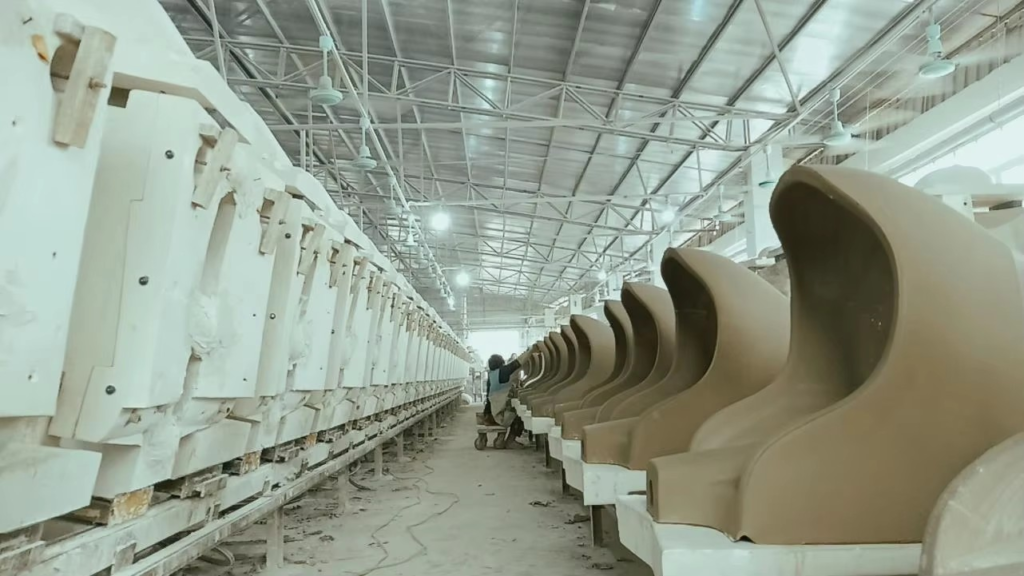
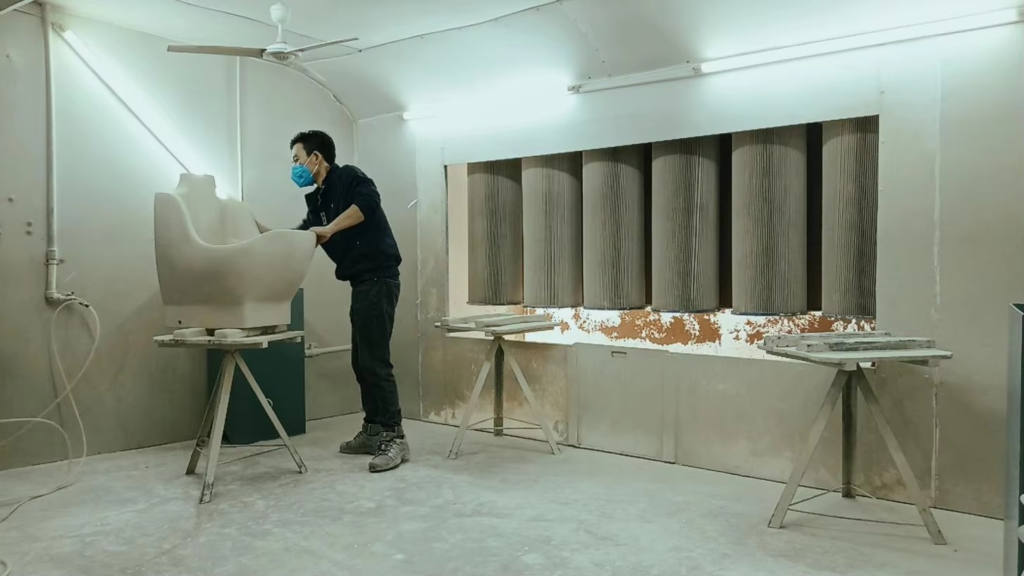
Ask how doooway controls incoming materials, first-piece approval, in-process checks, final inspection, packing, and changes. The exact checks should reflect the product risk and your customer promise. Request an inspection plan that states what is checked, how it is checked, what is recorded, and what happens when the result is outside the agreed tolerance. Generic assurances are less useful than a clear process attached to your approved configuration.
Agree on the role of independent inspection. For an initial order, a pre-shipment inspection may check quantity, configuration, appearance, critical dimensions, components, labels, cartons, and photographs. Define defect categories and sampling before production. Inspection does not replace supplier accountability or a strong specification; it gives you an additional decision point before shipment.
Communication is a sourcing capability
A factory can be technically capable and still be difficult to manage if information is fragmented. Observe how doooway handles questions, records revisions, explains uncertainty, and escalates problems. Ask for a production update at agreed milestones. Require prompt notice if a material, component, process, subcontractor, or package changes. The right response to a problem is not always “no issue”; it is a specific explanation, containment plan, and decision request.
5. Confirm order terms and responsibilities
Write the commercial agreement or purchase order so it reflects the approved product. Include product code, drawing revision, sample reference, bill of materials, finish reference, packaging, quantity, price basis, currency, Incoterm, payment schedule, delivery window, inspection access, document list, labeling, and defect remedy. State what happens when goods are damaged, short-shipped, nonconforming, or delayed. Have a qualified lawyer review material contracts, especially where intellectual property or consumer obligations are involved.
Ask specifically about spare components and after-sales support. The answer may vary by product and market. Confirm how missing or damaged items are reported, what evidence is needed, where replacements are shipped, and who pays under the agreed terms. Do not advertise a warranty until doooway provides written terms and you have checked that your own sales policy and local law are aligned.
6. Plan inventory for different buyer types
A brand owner may plan a controlled launch with a small core range. A dealer may need reliable quote validity and project timing. An online seller may need low damage rates and accurate parcel dimensions. A supermarket may need case-pack discipline, barcodes, shelf labels, and replenishment. Use separate scenarios rather than forcing one forecast to serve every channel. Set reorder points based on verified lead time, shipping variability, demand, and safety stock.
Limit opening variants until real data supports expansion. Every finish, package language, component option, and label revision can create a separate stock-keeping unit and a separate risk of leftover inventory. Use stable item codes and a change log. When an item is updated, identify old and new stock so customer service can give accurate guidance and returns can be processed correctly.
7. Build an evidence file for your customers
Your evidence file should include the approved drawing, sample photographs, component list, packaging information, inspection records, shipping documents, care and installation guidance, approved claims, and contacts. Keep supplier-provided documents with the date, revision, scope, and source. Make an internal distinction between supplier information, independent verification, and your own marketing language.
This file supports dealers and customer service when questions arise. It also makes the next order faster because the team does not have to recreate decisions. Review it when the product, supplier, package, destination, or regulation changes. A document that was valid for one revision or market may not be valid for another.
Frequently Asked Questions
What should I ask doooway first?
Send a concise product and use-case brief, then request the exact configuration, technical drawing, itemized quotation, sample process, packaging information, quality plan, and document list. Ask the supplier to identify confirmed facts versus estimates.
Can I rely on an online product page for dimensions?
No. Use the product page to identify a discussion candidate, then request a current drawing or data sheet for the exact configuration. Verify dimensions against the approved sample before publishing them.
How do I compare doooway with another supplier?
Send both suppliers the same brief and comparison template. Normalize the product scope, Incoterm, packaging, tooling, inspection, freight, and service assumptions. Score evidence and unresolved risks, not just the unit price.
Should I order samples before negotiating price?
Discuss commercial assumptions early, but make the physical sample and approved scope the decision gate. A low price for the wrong configuration is not a useful saving.
What if a sample looks good but the package is weak?
Treat packaging as an open launch issue. Request a revised package, conduct a suitable handling review, and update the cost and damage assumptions before ordering.
Do I need an inspection for every order?
The right frequency depends on risk, supplier performance, order value, and your market. Define a risk-based plan and increase oversight when the configuration, factory, component, or defect trend changes.
Can I claim a product is certified?
Only after verifying the exact document, scope, issuer, validity, product revision, and destination applicability. Ask a qualified adviser when local rules or claims are unclear.
8. Use a staged buying workflow
A staged workflow makes an overseas purchase easier to manage. Stage one is discovery: clarify use, channel, and product family. Stage two is technical definition: obtain the drawing, bill of materials, packaging assumptions, and sample. Stage three is commercial approval: normalize the quote, logistics, payment, inspection, and service terms. Stage four is release: issue the purchase order against the approved revision. Stage five is receiving and learning: inspect the shipment, record issues, and update the next-order brief.
Give each stage an explicit owner. Marketing may own content, engineering or an installer may review interfaces, quality may own inspection, finance may own landed economics, and logistics may own transport assumptions. One person should coordinate the decision file so that no department assumes another has verified an open point. This is particularly useful for smaller companies where one buyer covers several roles.
Use questions to expose hidden risk
Ask “what would make this order fail?” before release. Possible answers include an unmeasured carton, an unconfirmed local document, a finish that varies between lots, a component that is not included, or a delivery estimate that excludes production. Turn each answer into an action, an owner, and a date. If a risk cannot be reduced, price it, communicate it, or postpone the order. This is more reliable than hoping a supplier will remember an informal discussion.
Also decide what information customers do not need. A buyer may not need an internal process description, but it does need accurate dimensions, included items, care guidance, installation boundaries, and a contact for questions. Keep internal evidence detailed while making external instructions clear and concise. Good sourcing converts complexity into customer confidence without inventing claims.
9. Review the first order as data
After the shipment arrives, compare planned and actual results: total cost, transit time, damage, quantity, inspection findings, warehouse labor, customer questions, and sales conversion. Record what doooway confirmed accurately and what required clarification. Use this review to improve the next request for quotation and to decide whether the relationship should expand, remain a test, or be paused.
Keep the buyer file usable
Store the approved files where purchasing, sales, warehouse, and customer service can find them. Include the supplier contact, product code, revision, sample photographs, quote, inspection plan, shipping documents, and verified claims. When a detail changes, update the file and tell every affected team. A well-organized file reduces repeated questions, speeds replenishment, and prevents an old specification from returning to a new order.
Before reordering, ask whether demand, destination, packaging, or installation conditions have changed. Reconfirm the quotation and lead time rather than copying the first order. If the product will be sold under a new label or through a new channel, review the claims and instructions again. Small confirmation steps preserve the value of the original sourcing work.
Conclusion: turn a supplier conversation into a controlled purchase
Sourcing from doooway can be evaluated with a practical, fair process: define the buyer and use case, request comparable evidence, sample both product and package, verify quality and documentation, and write the approved configuration into the order. The key is not to assume any specification, certification, dimension, test result, price, lead time, or warranty. Verify it. A disciplined buying file helps every channel—from dealer counter to online checkout—deliver a product customers can understand and trust.