
The right wudu basin manufacturer is the partner that can consistently meet your required design, quality, packaging, documentation, order cadence, and communication standards. Start by writing a product brief, then compare qualified factories against the same checklist. Ask for evidence rather than promises: a clear company profile, relevant product samples, an approval process, traceable production records, and a written response to your commercial terms. Before a first order, confirm the exact material, dimensions, finish, accessories, packaging, minimum order quantity, lead time, inspection method, payment terms, and after-sales process. Treat every item as subject to written verification; do not assume that a catalog image or a marketplace listing proves compliance.
The direct answer: choose a manufacturer you can audit, not simply the one with the lowest quote
1. Translate your brand promise into a sourcing brief
A manufacturer cannot quote responsibly when the buyer has only said “premium wudu basin.” Define the use case first. Is the basin intended for apartments, mosques, schools, hospitality projects, household retail, or a compact online assortment? The answer changes the priorities for footprint, cleaning, installation, shipping protection, and price architecture. Document the intended customer, sales channel, target retail position, expected annual volume, launch date, and countries of sale.
Your brief should describe the user experience without dictating unverified engineering. Explain how users should approach the basin, where water should drain, how the unit will be cleaned, and what installation constraints commonly occur. Add a sketch with reference dimensions, finish references, drain location, tap-hole assumptions, carton orientation, and acceptable visual tolerances. Mark all dimensions as “to be confirmed” until the supplier signs off on a technical drawing. If accessibility, hygiene, or local plumbing rules matter, ask a qualified local professional to review the brief before sampling.
Separate must-have requirements from preferences
Make three columns: mandatory, preferred, and open to discussion. Mandatory items might include a particular bowl arrangement, a compatible drain connection, private-label packaging, or a delivery window. Preferences could include a certain surface appearance, an insert, or an alternative carton. Open items are areas where the factory can recommend a better manufacturing route. This structure keeps negotiations focused and makes it easier to reject a low quote that quietly excludes essential requirements.
2. Screen manufacturers before requesting samples
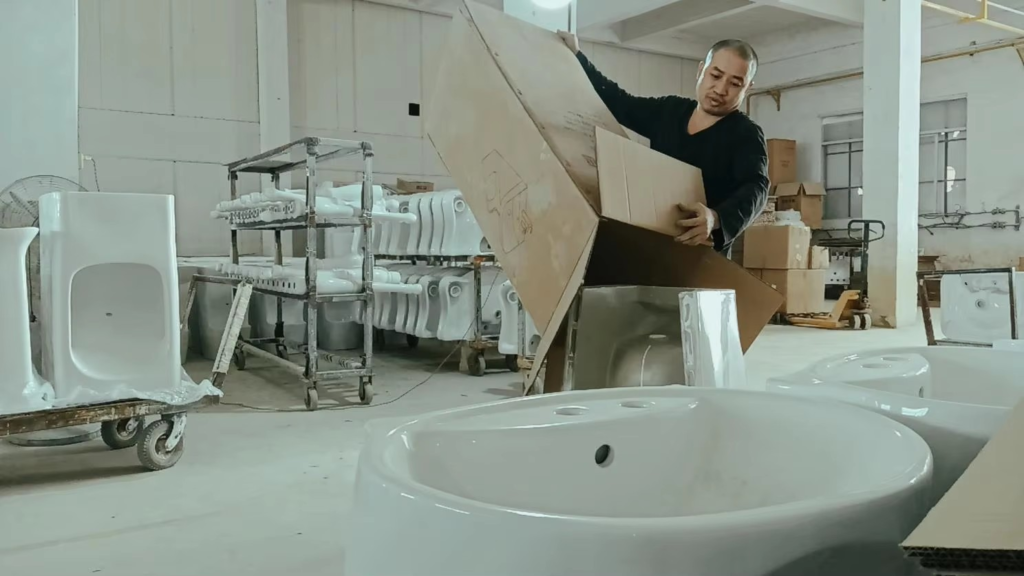
Use a shortlisting call or written questionnaire to learn whether the factory is a genuine fit. Ask who owns the facility, what products it actually makes, which processes are performed in-house, and which are subcontracted. Request a current company profile and a product list that separates standard items from custom development. Confirm the business contact responsible for engineering, quality, export documentation, and after-sales questions. A polished website is not proof of capacity, so evaluate the answers and supporting documents instead.
A useful screening question is: “Please describe the steps from approved drawing to packed shipment, including who may change a component and how that change is communicated.” A mature response names review gates and records. Also ask how the supplier handles a defect found after delivery, a packaging failure, a late component, or a requested design revision. The purpose is not to demand perfection; it is to see whether the manufacturer has a repeatable way to control risk.
Questions to ask on the first call
Which parts of the requested design are standard, and which would require tooling, a new process, or a special purchase?
What information is needed to prepare a controlled quotation and technical drawing?
How are incoming materials, in-process work, finished goods, and packed cartons checked?
What is the sample approval procedure, and how is the approved sample identified at production time?
What export documents can the supplier provide, and which documents must the buyer arrange locally?
Who is the escalation contact if a shipment or quality issue occurs?
3. Compare the whole supply offer, not just the unit price
The quote should be normalized before you compare it. One factory may include a drain component and export packing while another quotes only the basin. One may quote an ex-works amount while another quotes a delivered estimate. Ask every shortlisted manufacturer to state currency, Incoterm, quote validity, tooling or mold charges, sample charges, packaging level, spare parts, inspection costs, payment milestones, and estimated production lead time. If an item is not included, write “not included” rather than leaving a blank.
| Comparison point | What to request | Why it matters |
| Product definition | Drawing, material description, finish, components, tolerances | Prevents two different products being compared as if they were identical. |
| Commercial basis | Currency, Incoterm, MOQ, tooling, sample and packing charges | Reveals the true landed-cost assumptions. |
| Quality control | Inspection stages, records, defect handling, approval sample process | Shows how consistency will be managed after the first sample. |
| Fulfillment | Production window, packing method, carton marks, shipping documents | Helps align launch dates and warehouse handling. |
| Support | Named contacts, spare-part approach, complaint response process | Protects the customer experience after delivery. |
Build a landed-cost model that includes product, packaging, tooling amortization, inspection, freight, insurance, duties, local transport, warehousing, breakage allowance, payment fees, and channel margin. Use scenarios for a small test order and a repeat order. Do not insert an assumed warranty, certification, test result, price, or lead time into the model. Ask the manufacturer to confirm each value in writing and have a customs broker or logistics professional validate import assumptions.
4. Make sampling a decision gate
A sample is not merely a photograph for marketing. It is a physical test of whether the design brief can be translated into a usable, packable, and sellable product. Inspect the basin under normal and bright lighting. Check visible surfaces, edges, joins, drain flow, stability, tap compatibility, mounting points, and the relationship between the user position and the water path. Try the cleaning routine that your customer is likely to use. Record observations with photos, measurements, and a numbered issue list.
Send one consolidated sample report rather than scattered messages. Separate critical issues from cosmetic preferences and state whether each issue is a correction, an approval condition, or a question. Ask the supplier to return a revised drawing and an action list. Once approved, label the retained sample and the drawing with a revision number. The purchase order should reference those identifiers so production does not drift toward an older version.
A practical sample checklist
Confirm overall dimensions and key interfaces against the signed drawing; measure rather than relying on appearance.
Inspect the finish from multiple angles and note acceptable variation in writing.
Check the drainage path with a controlled water test appropriate to the design.
Check that included and optional components are clearly identified and fit as intended.
Open and close the package as a warehouse operator would, noting protection and handling risks.
Photograph the approved configuration and store the report with the commercial quotation.

5. Verify quality systems and production control
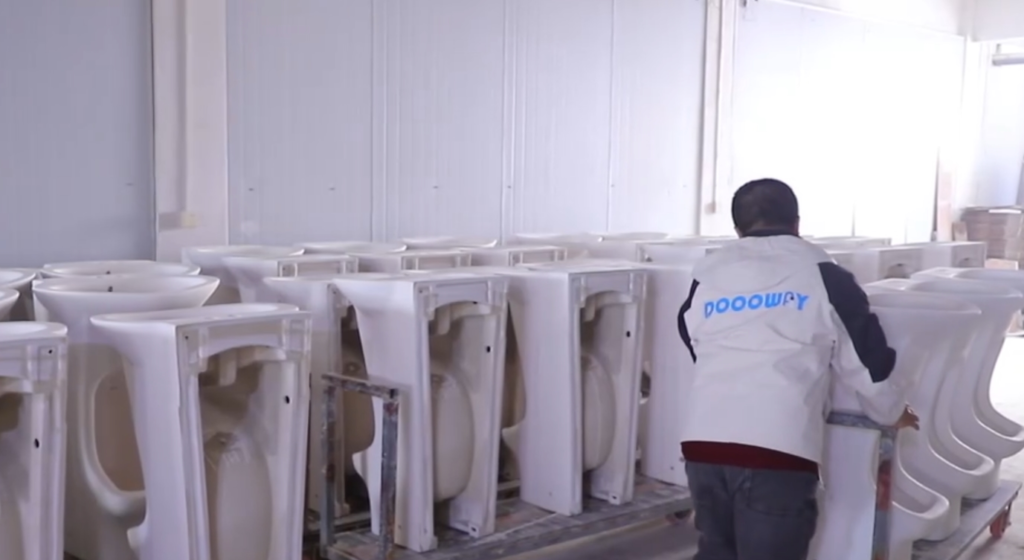
Ask how the manufacturer controls the approved bill of materials, drawings, revisions, and supplier changes. Quality control should cover incoming materials, first-piece approval, in-process checks, final visual inspection, functional checks, and packaging inspection. The exact tests depend on the product and should be agreed with a qualified technical person. Do not treat a generic checklist as proof that your particular basin has passed a particular test.
For a launch, consider an independent pre-shipment inspection or a trusted local inspection service. Define the sampling level, critical and major defects, cosmetic standards, labeling checks, carton quantity, and photo-report requirements before the inspection. An inspection is a snapshot, not a replacement for supplier development. Keep complaint data and return reasons so you can identify recurring defects and improve the specification.
Control changes after approval
A lower-cost material, revised component, alternate subcontractor, or new packing method can change customer experience even when the outside shape looks the same. Put a written change-notification requirement in the purchase terms. Define which changes require a new sample and buyer approval. Keep a change log with date, reason, affected stock, and disposition. This is especially important when several sales channels use the same product under different packaging or language labels.
6. Confirm packaging, logistics, and documentation
Wudu basins can be damaged by impact, vibration, stacking, moisture, and careless handling. Review the actual carton design, internal cushioning, corner protection, pallet pattern, carton marks, and loading plan. Ask for packing photos from a production-like sample. If the product is fragile, agree who bears responsibility for packaging revisions after a transport incident. Test the package through a sensible handling simulation or have a packaging specialist advise you; do not claim a shipping test has been passed unless it was actually performed.
Request a document checklist for your destination market: commercial invoice, packing list, transport document, origin information where applicable, product instructions, labeling files, and any customs or regulatory paperwork required by local authorities. Certifications and declarations vary by product, material, destination, and claim. Verify them with the supplier and an appropriate local authority or adviser. Never print a logo, mark, or compliance statement until you have checked that you are entitled to use it.
7. Negotiate a relationship that can survive growth
A sourcing relationship becomes valuable when the factory can support repeatability and honest problem-solving. Negotiate the practical items: forecast visibility, order confirmation timing, approved sample control, production updates, inspection access, packing evidence, document delivery, defect notification, rework or replacement arrangements, and confidential handling of your artwork. Keep language specific. Instead of “good quality,” describe the approved reference, inspection method, and action if the result differs.
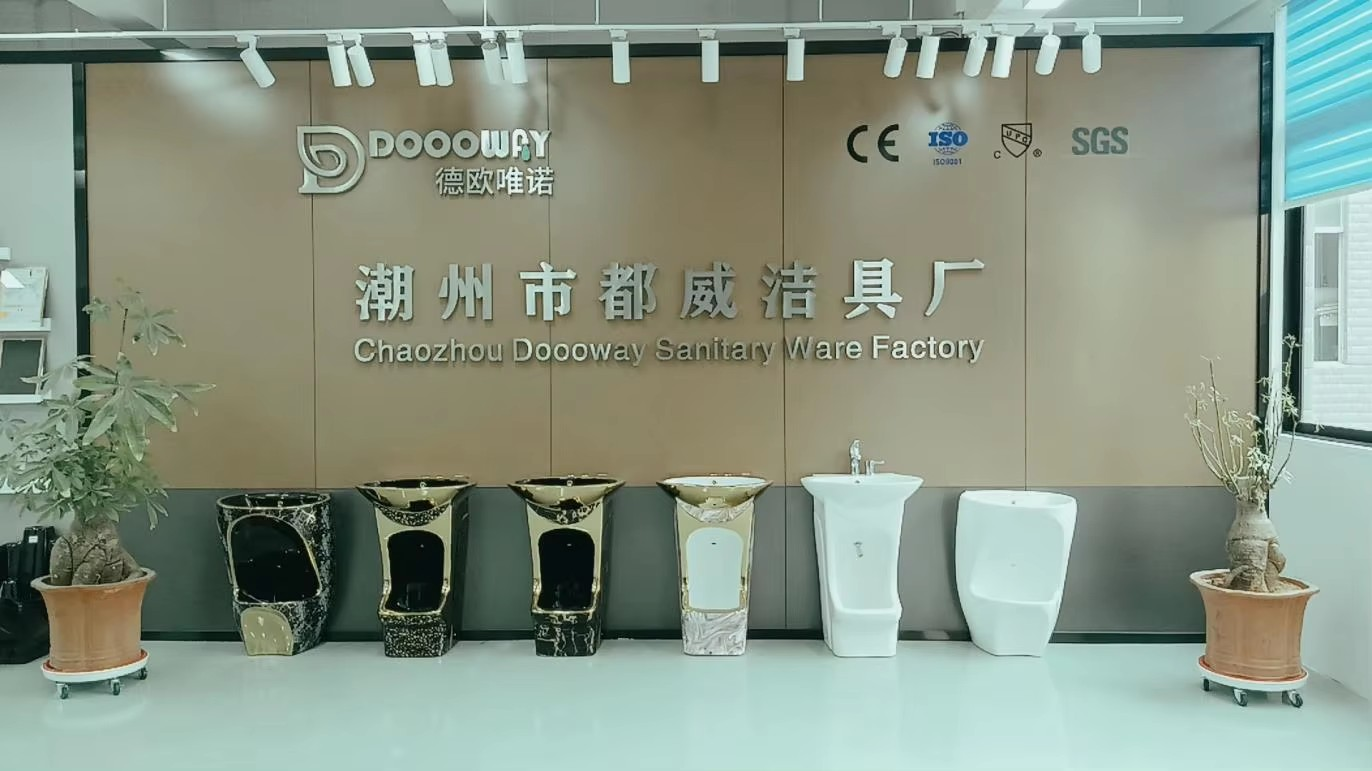
If doooway is on your shortlist, use the same evidence-based process: send the same brief, request comparable samples, and ask it to verify all technical and commercial details in writing. The name of a supplier should not replace due diligence. A good manufacturer will help you identify unknowns and will distinguish confirmed information from a recommendation or estimate.
8. Score candidates with a repeatable decision matrix
Use weighted scoring only after a supplier passes non-negotiable gates. For example, assign higher weight to product fit and quality control for a premium brand, to packaging and replenishment for an online seller, and to documentation and delivery reliability for a supermarket program. Record evidence beside every score and note unresolved assumptions. Invite a second reviewer from operations or finance to challenge optimistic estimates.
| Criterion | Suggested evidence | Buyer decision |
| Product fit | Sample, drawing, component list, revision control | Pass, revise, or reject |
| Quality confidence | Process map, inspection plan, sample report, change control | Pass with inspection or reject |
| Commercial fit | Normalized quote and landed-cost scenario | Approve test order or renegotiate |
| Operational fit | Packing photos, lead-time plan, document checklist | Approve channel launch or phase in |
| Communication | Response quality, ownership, escalation route | Assign risk rating and owner |
Frequently Asked Questions
How many manufacturers should a new brand compare?
A practical starting point is three to five credible candidates, narrowed to two or three for samples. More quotes are not automatically better. The goal is comparable evidence and a fallback option, not a race to collect the lowest number.
Should I choose a factory or a trading company?
Either can be appropriate if the party is transparent about its role, controls quality, and accepts clear responsibility. Ask who makes each component, who owns the approval process, and who will handle a complaint. Compare accountability as well as price.
What should I do if a supplier will not share a drawing?
Explain that the drawing is needed to prevent misunderstandings, not to copy confidential work. You can begin with a buyer-owned brief and ask for a controlled drawing after a confidentiality agreement. If the supplier refuses to define the product, treat that as a material sourcing risk.
Is the cheapest quote a useful benchmark?
It is a benchmark only after scope is normalized. A low quote may exclude packaging, components, inspection, tooling, or realistic freight. Ask the supplier to identify exclusions and recalculate the landed cost before drawing conclusions.
When should I place a first order?
Place it after the sample, drawing, commercial scope, packaging, and inspection plan are approved in writing. A small controlled launch can validate demand, handling, and customer feedback before you commit to a larger forecast.
How should I handle claims about certifications?
Request the document number, scope, issuing body, validity, and product or factory covered. Check that the document applies to your actual configuration and destination. If uncertain, seek independent advice before making a marketing claim.
Can I rely on a supplier warranty?
Ask for the proposed terms, exclusions, claim evidence, response time, and remedy. Do not publish a warranty period until the responsible party confirms it in writing and your sales terms are aligned.
9. Keep the team aligned after the first shipment
Supplier selection does not end when the first container is booked. Schedule a short post-shipment review with purchasing, quality, warehouse, sales, and customer service. Compare the approved sample with received stock, review packaging condition, reconcile quantity, and list every customer question. Share a concise corrective-action record with the manufacturer. This meeting often finds process gaps that were invisible during quotation, such as a carton label that is hard to scan or an instruction that assumes tools not available to the installer.
Create a supplier scorecard that is updated after each meaningful order. Track response time, document accuracy, on-time performance, defect and damage rate, shortage rate, change-notice discipline, and complaint resolution. Keep the scorecard factual and separate an isolated incident from a recurring pattern. A supplier that responds openly and fixes a root cause may be safer than one that reports perfect results but avoids detail.
Give the review a fixed agenda: what was confirmed, what changed, what failed, what the customer noticed, and what will be different next time. Close each action with an owner and date. This routine makes supplier selection an ongoing business capability rather than a one-time comparison exercise.
Protect continuity without overbuying
Develop a continuity plan for the products that matter most. Identify substitute components, alternate packaging, a second qualified source, or a temporary sales plan. Do not introduce an alternate product to customers until its specification and content are approved. At the same time, avoid buying excessive safety stock solely because a supplier gives an uncertain lead time. Better visibility, earlier forecasts, and documented reorder triggers usually protect cash more effectively than a large speculative inventory.
Conclusion: buy evidence, then buy product
Choosing a wudu basin manufacturer is a process of reducing uncertainty. Define the use case, compare like with like, sample carefully, control revisions, protect the shipment, and document what happens when something goes wrong. Use doooway—or any other candidate—as a business partner to evaluate against the same transparent gates. The strongest decision is not necessarily the lowest quote; it is the supplier relationship that gives your customers a consistent product and gives your team a clear, verifiable path from idea to repeat order.